
A low daily rate can stop feeling like a bargain when the rental desk asks to block a large amount on your card. That is why rental deposit questions deserve attention before you land in Madeira, not while you are tired after a flight and ready to start your vacation. Clear answers help you compare rentals fairly and choose a car with confidence.
A deposit is not automatically a bad sign. Rental companies use deposits or card authorizations to protect against costs that sit outside the standard rental price. The issue is whether the amount, payment method, insurance terms, and release process are explained clearly. For a stress-free island trip, ask early and get the details in writing.
What does the rental deposit actually cover?
Start with the simplest question: is the amount a security deposit, an insurance excess hold, a fuel deposit, or a combination of these? These terms are often used loosely, but they can mean very different things.
A security deposit is a temporary amount held in case of damage, missing equipment, traffic fines, refueling charges, or other costs under the rental agreement. An insurance excess is the amount you may be responsible for if the vehicle is damaged or stolen. A fuel deposit may be used when you collect a car with a full tank and are expected to return it full.
Some companies take one large authorization that covers all of these possibilities. Others include insurance with no excess and use a smaller deposit, or no deposit at all, depending on the booking conditions and payment method. Do not assume that “full insurance” means there will be no card hold. Ask what is included and what, if anything, remains your responsibility.
Rental deposit questions to ask before booking
The best time to resolve deposit details is before you commit to a reservation. A transparent provider should be able to answer these questions in plain language:
- What exact amount will be held, and is it a hold or a charge?
- Is the amount different for vehicle type, driver age, or payment method?
- Does the booking include insurance with zero excess?
- Which costs are not covered, such as lost keys, incorrect fuel, interior damage, or traffic penalties?
- Can I use a debit card or cash, or is a credit card required?
- Whose name must be on the payment card?
- When is the authorization released after the car is returned?
- Will I receive a written record of the vehicle condition at pickup and return?
These are not difficult questions. Still, they can prevent a common vacation problem: discovering that a rental requires a credit card with a much higher available balance than you planned for.
A card hold is different from a charge
A pre-authorization, sometimes called a card hold, reserves funds on your credit or debit card without completing a payment. The money may not leave your account, but it can reduce your available credit or available balance temporarily.
A charge is different. It is a completed transaction, and a refund must be processed after return if no deductions apply. Ask which method the company uses. This matters particularly when using a debit card, because a hold can affect the cash available for meals, activities, and accommodation during your trip.
Even after a rental company releases a hold, your bank may take several business days to show those funds as available again. International cards can take longer. The rental company controls when it releases the authorization; your bank controls how quickly it appears on your statement. Plan a little financial breathing room rather than relying on every dollar of your card limit.
Insurance language needs a closer look
Insurance is where many deposit misunderstandings begin. A rental advertisement may mention collision coverage, theft protection, or damage waiver, but the key question is the excess. If there is an excess of $1,000, for example, the company may require a card hold close to that amount even though insurance is included.
Ask whether Super CDW is included and whether it reduces the excess to zero. Then ask about exclusions. Tires, wheels, glass, roof damage, underbody damage, keys, and negligent use are examples that may be treated differently depending on the agreement.
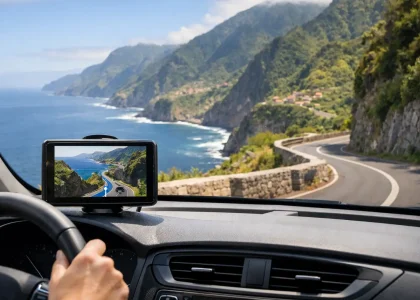
Madeira’s roads are memorable for the right reasons, with coastal views, mountain routes, and villages worth stopping for. They can also be narrow, steep, and lined with stone walls. A smaller car can be easier to park and maneuver, but every driver should understand the damage terms before setting off. Insurance with no excess can bring real peace of mind, but only when you know what it covers.
Can you pay a rental deposit with a debit card or cash?
It depends on the rental company. Many larger brands require a credit card in the main driver’s name because it is easier to place a pre-authorization. That can be inconvenient for travelers who mainly use debit cards or prefer to pay in cash.
If payment flexibility matters to you, ask before booking rather than assuming a debit card will be accepted at the desk. Confirm whether the same card is needed for pickup, whether the cardholder must be the named driver, and whether a different deposit process applies to debit card or cash payments.
This is one reason travelers often prefer a local provider with clearly stated terms. Funchal Car Rental includes full insurance, Super CDW, and no excess in its stated rental value, while offering payment flexibility across debit card, credit card, and cash. As with any rental, confirm the conditions for your specific booking, vehicle, and pickup arrangement before travel.
How do you protect yourself at pickup and return?
A clear agreement is the first layer of protection. A quick inspection is the second. At pickup, take a few minutes to walk around the vehicle with the staff member. Photograph existing marks, wheels, windshield condition, and the fuel level. If you have child seats, a GPS device, or other extras, make sure they are listed on the agreement.
You do not need to turn collection into a lengthy inspection. A short video around the car and a few clear photos can be enough. Focus on areas that are easy to overlook in a busy airport or hotel pickup: bumpers, doors, mirrors, wheel rims, and the underside of the front bumper.
At return, ask for confirmation that the vehicle has been received and whether any issue has been identified. If a deposit or card hold was used, request confirmation that it has been released. Keep the rental agreement, return record, and relevant emails until the authorization is no longer visible on your account.
Fuel, fines, and late returns can affect the final amount
Even a rental with excellent insurance may charge for matters unrelated to collision damage. Returning the vehicle below the agreed fuel level can lead to a refueling charge. Parking tickets, toll-related charges where applicable, traffic fines, missing accessories, and a late return may also be handled after the rental period.
These charges are not necessarily hidden fees if they are clearly set out in the terms. The difference is transparency. Ask how fuel is measured, what happens if a fine arrives after you have flown home, and whether there are administration fees for processing it. If your route includes remote parts of the island, leave enough time for refueling and return travel rather than racing back at the end of the day.
Questions for airport pickup and accommodation delivery
Deposit terms are only one part of a smooth collection. If you arrive at Funchal Airport, ask where you will meet the representative, what happens if your flight is delayed, and whether you need to call after landing. Direct handover can be much easier than waiting at a crowded counter, provided the instructions are clear.
For hotel, villa, or apartment delivery, confirm the address, delivery time, contact number, and any location fee before booking. Madeira accommodations can sit on steep streets or have limited parking, so it helps to agree on a practical handover point. If you are traveling with children, reserve seats in advance and confirm they will be fitted or ready for installation at collection.
A good rental experience should leave you thinking about the first viewpoint or beach you want to visit, not wondering whether your card will be charged unexpectedly. Ask the deposit questions while you still have options, choose terms you understand, and start driving Madeira with the kind of confidence a vacation deserves.