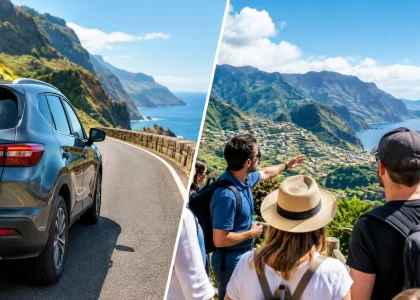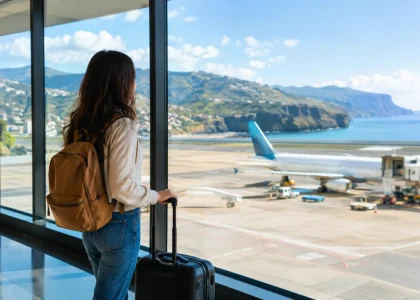

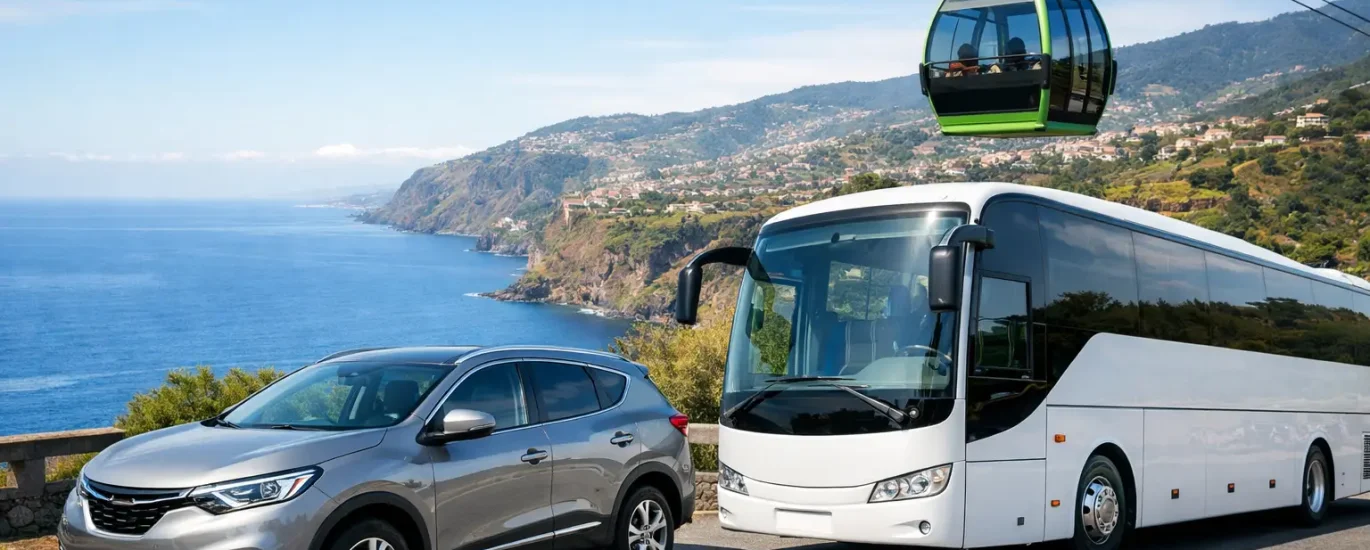
Landing at Funchal Airport is easy. Deciding how to reach a sunrise viewpoint in Ponta do São Lourenço, a levada walk near Rabaçal, or a quiet lunch in São Vicente is where planning matters. This Madeira transport comparison looks at rental cars, public buses, taxis, and organized tours, with the real question in mind: which option gives you the best vacation for the way you want to travel?
Madeira is compact on a map, but it is not a quick island to cross. Mountain roads, tunnels, steep streets, and dramatic changes in elevation mean that a 20-mile trip can take longer than expected. The best choice depends on where you are staying, how many people are traveling, and whether your plans stay close to Funchal or stretch across the island.
Madeira transport comparison: start with your itinerary
If your vacation is based in central Funchal and you mainly want restaurants, the harbor, museums, and nearby gardens, you may not need a car every day. Walking, local buses, and the occasional taxi can be practical, especially if your hotel has limited parking.
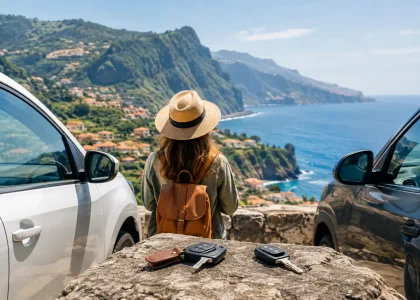
A rental car becomes far more useful when your wish list includes multiple regions. Madeira’s best days often combine places that do not sit on one bus route: a beach in Calheta, a forest walk in the highlands, a viewpoint above Encumeada, and dinner back on the south coast. With your own vehicle, you can leave when the weather is best, stop when a viewpoint catches your eye, and change plans without working around a timetable.
For families, couples sharing a schedule, and groups of friends, compare the cost for the whole party rather than one person. A bus ticket or tour price may look lower at first, but the total can change quickly when three or four people are traveling together.
Rental cars: best for freedom beyond Funchal
A rental car is usually the strongest option for travelers who want to see Madeira independently. It gives you access to villages, trailheads, natural pools, beaches, and mountain viewpoints at your own pace. It is also the most convenient choice if you are staying outside Funchal, in areas such as Caniço, Machico, Calheta, Ponta do Sol, or São Vicente.
The biggest advantage is not simply distance. It is timing. Madeira weather can be sunny on the south coast while clouds cover the mountains, or rainy in Funchal while the east is clear. A car lets you respond to conditions and make the most of your day rather than losing hours to a fixed route.
It is a particularly helpful option for early hikes and sunset stops. Public transport may not run at the times you need, and taxis for a remote pickup can be expensive or difficult to arrange. Unlimited mileage also matters on an island where detours are often part of the fun.
What to consider before driving
Madeira roads are well maintained, but some are steep, narrow, and winding. If you are used to flat highways, allow yourself time to adjust. Choose a car size that suits your confidence and luggage rather than selecting the largest vehicle available. A compact automatic can be easier to park in Funchal and more comfortable on tighter village streets, while a larger model may make sense for a family with several bags.
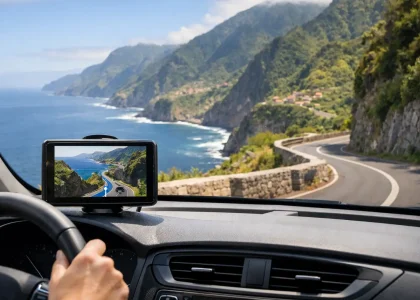
Drivers travel on the right. Use low gears on steep descents where appropriate, avoid rushing, and do not rely on a navigation app alone to judge whether a road will feel comfortable. Some scenic routes are genuinely narrow, and occasional fog in the mountains can reduce visibility.
Parking also deserves a little planning. Central Funchal can be busy, while popular trailheads and natural swimming areas fill up on warm days. Starting earlier gives you a better choice of spaces and a calmer experience.
Price clarity should be part of the comparison. A low headline rate can become less attractive if insurance, excess reduction, mileage, airport charges, or additional drivers appear later in the booking process. Funchal Car Rental keeps the essentials clear by including full insurance, VAT, local taxes, personal accident insurance, Super CDW, 24-hour roadside assistance, unlimited mileage, and no excess in its stated rental package. For travelers who value cost certainty, that can make comparing rentals much simpler.
Public buses: useful for slower, local days
Buses are an affordable choice for traveling within Funchal and for selected trips between towns. They can work well for visitors who have time, are comfortable checking routes in advance, and do not mind building their day around departure times.
For a straightforward journey from Funchal to a nearby resort area or coastal town, the bus can be good value. It also removes concerns about parking and lets everyone enjoy the scenery. If you are staying in the city and planning only one outing, a bus may be cheaper than renting a vehicle for several days.
The trade-off is flexibility. Services do not connect every attraction directly, and reaching a hiking trail, a high viewpoint, or a less-visited village can involve changes, waiting, and a substantial walk at either end. Weekend and holiday schedules may also be less frequent. A journey that looks simple online can take up much of a vacation day once transfers are included.
Buses are therefore best for travelers with a relaxed pace, a simple route, and no need to reach remote areas early in the morning. They are less convenient for families carrying beach gear, young children, or hiking equipment.
Taxis and private transfers: best for direct short trips
Taxis are widely useful for airport transfers, late arrivals, evenings out, and one-way journeys where you do not want to drive. They are a strong choice when you need door-to-door transport to your hotel, especially after a long flight or with children and luggage.
For short trips around Funchal or between nearby locations, a taxi can be more convenient than finding parking or waiting for a bus. Private transfers can also be worthwhile if your accommodation is in a place with difficult access or you arrive very late.
For full-day sightseeing, though, taxi costs can add up. You will also need to agree on waiting time and return arrangements if you are visiting a remote trail or viewpoint. This option works best when the journey itself is the goal, not a day of spontaneous stops across several regions.
Organized tours: best when you prefer not to plan
Organized tours suit travelers who want a guided overview of Madeira without driving. They can be a comfortable way to visit the west, east, or mountain areas while hearing local context about the island’s history, agriculture, and landscapes.
A tour is especially useful for a first full day, when you are still getting your bearings, or for visitors who do not feel comfortable on steep roads. It can also be a sensible choice if only one person in your party would otherwise be doing all the driving.
The limitation is that the day follows the group’s schedule. Stops may be shorter than you would like, restaurants may be predetermined, and weather changes are harder to respond to. Tours are excellent for seeing highlights, but they rarely offer the freedom of lingering at a quiet miradouro or changing course when you spot clear skies elsewhere.
How to choose the right Madeira transport option
Choose a rental car if you want to explore several parts of the island, travel early or late, visit hikes and remote viewpoints, or stay outside central Funchal. It is often the most practical option for families and groups when the total cost is shared.
Choose buses if you are staying in Funchal, have a flexible schedule, and want low-cost transport for simple routes. Choose taxis or transfers for airport arrivals, evenings, and direct journeys with luggage. Choose organized tours if you prefer a guide and would rather leave mountain driving and route planning to someone else.
Many travelers get the best result by mixing options. Spend your first day in Funchal on foot, use a taxi for a relaxed dinner, then rent a car for the days when you want to go farther. This approach avoids paying for a parked vehicle while still giving you freedom for the parts of Madeira that are hardest to reach.
Before booking, think less about the number of days and more about the experiences you do not want to miss. If a peaceful mountain walk, a black-sand beach, or a road trip through changing landscapes is high on your list, choosing transport that gives you time and flexibility will make every moment of the trip feel more your own.