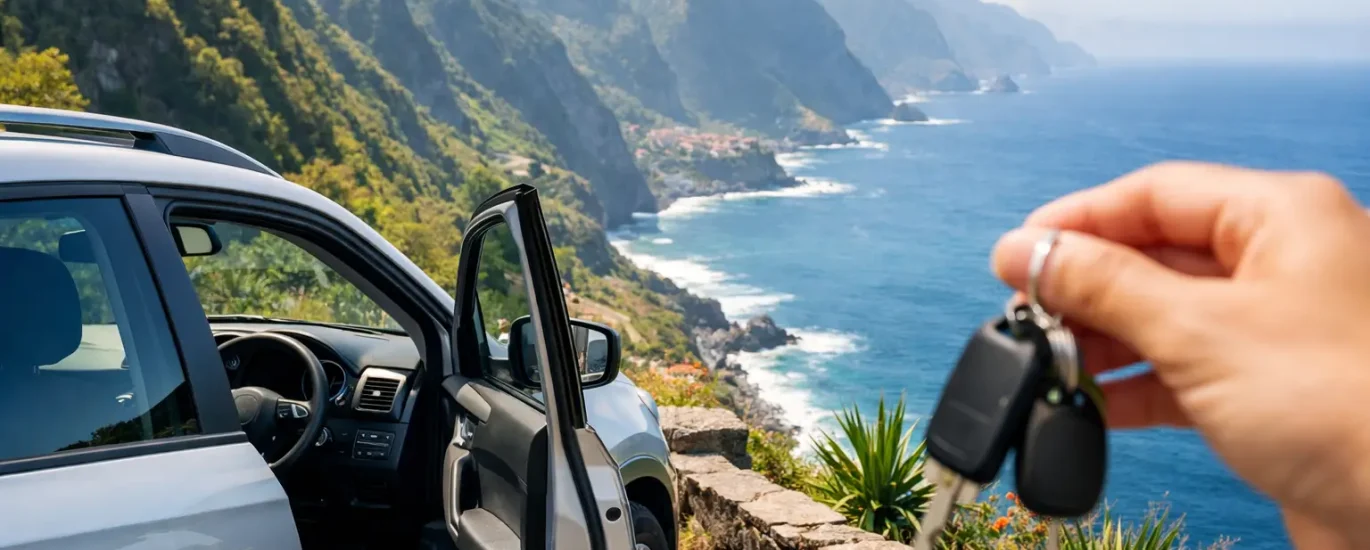
The first steep hill after leaving Funchal can be a memorable start to a Madeira vacation. It should not come with the worry that one tight parking space, loose stone, or unfamiliar road could leave you facing a large rental-car bill. Choosing Madeira car rental no excess means you know more about the real cost of driving before you collect the keys – and can focus on the island instead.
For couples planning coastal stops, families traveling with luggage and child seats, or friends heading to levada walks and viewpoints, clear insurance terms make a meaningful difference. Madeira is compact, but its roads are varied: modern expressways, narrow village lanes, steep driveways, and winding mountain routes all deserve your full attention. A no-excess rental helps remove one of the most common sources of vacation stress.
What Madeira car rental no excess actually means
An excess is the amount a renter may have to pay toward vehicle damage or theft, even when insurance is included. For example, a standard rental agreement may include collision damage coverage but still make the driver responsible for the first $1,000, $1,500, or more of a claim. That amount is the excess, also called a deductible.
With no excess, the financial responsibility for covered accidental damage is not passed back to you up to a stated deductible. If a covered incident happens, you should not be asked to contribute a large excess payment before the insurance applies. This is different from simply seeing the word “insurance” on a booking page. Insurance can be included while an excess remains in place.
That distinction matters because the lowest advertised rental rate is not always the full picture. Some rental companies quote a basic price first, then offer excess reduction, extra coverage, roadside assistance, or payment-card protection later in the booking process. A no-excess rate that already includes the important protections can be easier to compare and easier to budget for.
Why no excess is especially useful in Madeira
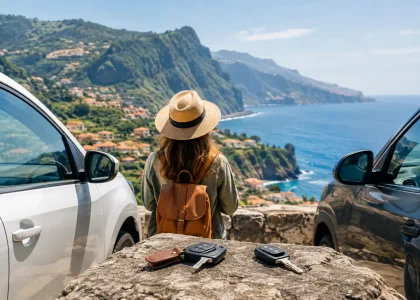
Madeira rewards independent travelers. A rental car makes it practical to leave central Funchal for Câmara de Lobos, Ponta do Sol, Santana, Machico, São Vicente, Calheta, and the quieter corners in between. It also gives you flexibility when weather changes your plans. A cloudy mountain morning can become a sunny south-coast afternoon without waiting for a tour schedule.
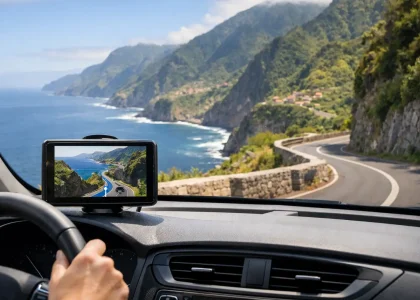
But driving here is not the same as driving on a wide, flat highway. Some roads have sharp bends, limited visibility, or narrow sections where patience matters more than speed. Hotel entrances and older village streets can also be tight. Most visitors manage these conditions comfortably by driving carefully, using low gears on steep descents, and allowing extra time. Still, knowing a covered accident will not trigger a high excess charge can make the experience far more relaxed.
It is particularly valuable for travelers who do not want a large amount held on a credit card. A deposit or security hold can reduce available spending money during a trip, especially for families paying for restaurants, activities, and accommodation. Rental terms vary, so it is sensible to check the payment and deposit policy before booking rather than assuming every no-excess offer works the same way.
Check what is included before you book
“No excess” is a strong benefit, but it should sit alongside other clear terms. The best rental choice is not just about avoiding a deductible. It is about knowing what you receive, what you pay, and how help is provided if plans change.
Look for a price that clearly states whether VAT and local taxes are included, whether mileage is unlimited, and whether roadside assistance is available around the clock. If you are arriving on a late flight, confirm how airport handover works. If you are staying outside Funchal, ask whether delivery to your accommodation is possible and whether a location fee applies.
You should also read the conditions relating to excluded situations. Even comprehensive no-excess coverage does not mean a vehicle can be used without care. Damage caused by prohibited driving, using the wrong fuel, losing keys, driving under the influence, or taking the car where the agreement does not permit it may not be covered. The same can apply to an unauthorized driver. These are normal rental conditions, not hidden tricks, but they should be easy to find and understand.
For a smoother booking, confirm these practical points before arrival:
- The full insurance package and whether Super CDW is included
- The excess amount shown as zero for covered damage
- The deposit, payment-card, and accepted payment options
- Roadside assistance availability and the procedure for reporting an incident
- Any charges for airport, hotel, or island-wide delivery and collection
- Child seats, boosters, GPS, or additional-driver options if your party needs them
A transparent provider will answer these questions in plain language. If the details are vague or the quote changes at the final payment screen, pause before confirming.
A simple way to compare rental quotes
Start with the total price for your exact dates, not the daily headline rate. Then compare what each quote includes. A lower base rate can become more expensive once insurance upgrades, excess reduction, mileage limits, airport fees, or additional-driver charges are added.
Next, consider the value of certainty. A standard excess may be acceptable for a traveler who has separate insurance that genuinely covers rental-car excess costs and is comfortable paying first and claiming later. It can also suit someone taking only short, familiar routes. However, separate coverage often requires paperwork, proof of payment, and time after the trip. It may also have its own exclusions.
For many vacationers, an all-inclusive no-excess option is worth choosing because it keeps the rental transaction straightforward. There is less pressure to make a costly decision at the counter after a long flight, and fewer surprises to calculate while trying to reach your hotel.
Funchal Car Rental is built around this simpler approach, with full insurance, Super CDW, personal accident insurance, local taxes, unlimited mileage, and no excess included in the rental price. The practical benefit is clarity: travelers can arrange direct airport collection or a suitable delivery point and know the main protections are already part of the booking.
Drive carefully, even with full protection
No-excess cover is there to protect your budget, not to replace good judgment. On Madeira, allow time for each route, especially when traveling through the mountains or returning after dark. Use a navigation device or phone map before entering a narrow road, and do not rely on other drivers to make room quickly on steep sections.
When parking, take a moment to inspect the space. Choose wider, well-lit places when available, fold mirrors where appropriate, and avoid forcing the car into a gap that does not feel comfortable. At collection, check the vehicle with the representative, make sure existing marks are recorded, and take a few photos for your own reference. It takes only a minute and gives everyone a shared record of the car’s condition.
If an incident occurs, contact the rental company promptly and follow its instructions. Round-the-clock roadside assistance is reassuring when you have a flat tire, a mechanical concern, or a question far from your accommodation. Keep the provider’s contact information saved in your phone and carry your booking details when setting out for longer drives.
Book for confidence, not just a low rate
The right car rental lets you make spontaneous plans without carrying insurance worries from one stop to the next. Whether you are collecting at Funchal Airport, staying in the city, or arranging delivery elsewhere on the island, prioritize a clear total price, flexible logistics, and protection that is explained before you travel.
A no-excess rental will not make Madeira’s hills less steep or its views less dramatic. It can, however, make each drive feel like the start of the day’s adventure rather than a financial risk. Pick a car and cover that fit your group, read the conditions once, then leave room in the itinerary for the road you decide to take next.